
Choosing the right email tool can make or break your growth strategy, which is why so many writers and marketers are comparing the top newsletter platforms 2026 has to offer before they commit to one. The newsletter space has matured fast, and today’s leading platforms do far more than send emails — they help you build an owned audience, monetize your content, and turn casual readers into paying subscribers. Below, we break down the strongest options on the market, what each one does best, and how to pick the platform that fits your goals.

Table of Contents
What to Look for in a Newsletter Platform in 2026
Before comparing specific tools, it helps to know which features actually move the needle for growing publishers and brands:
- Deliverability: Strong sender reputation and authentication so your emails land in the inbox, not the spam folder.
- Monetization options: Built-in ad networks, paid subscriptions, and referral or recommendation programs.
- Ease of use: A visual editor that lets you publish without touching code.
- Growth tools: Referral programs, subscriber segmentation, and analytics that show what content converts.
- Pricing structure: A free or affordable entry point that scales fairly as your list grows.
Top Newsletter Platforms 2026: Full Comparison
Here is a closer look at the platforms most worth considering this year, starting with the strongest all-around option.
1. beehiiv — Best Overall for Growth and Monetization
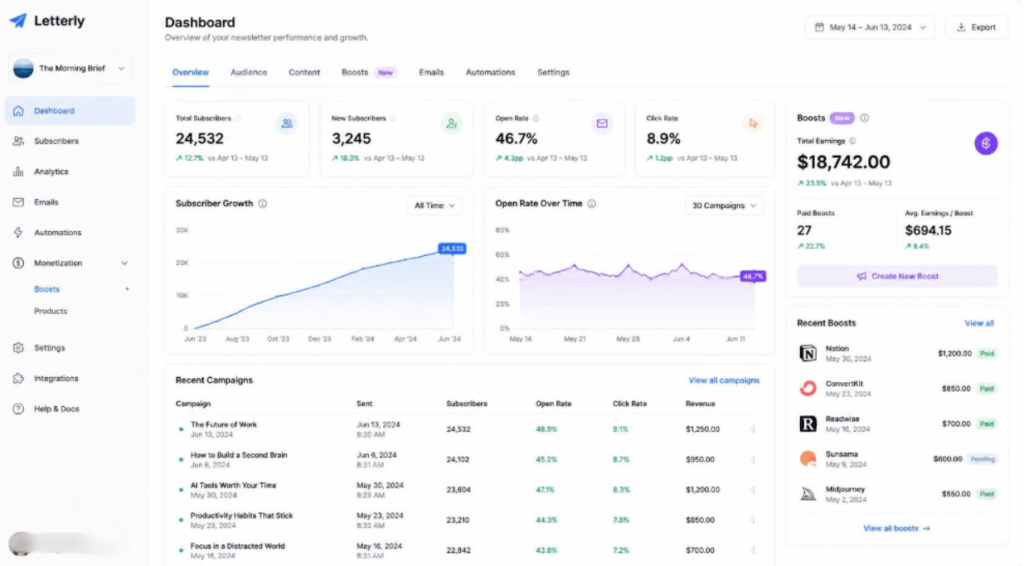
beehiiv has become one of the go-to platforms for creators who want their newsletter to function as a real media business, not just an email list. It combines a clean visual editor, a hosted publication website, and four built-in monetization streams — an ad network, a boosts marketplace, paid subscriptions, and direct sponsorships — all with 0% platform fees on subscription revenue. The free Launch plan supports up to 2,500 subscribers with unlimited sends, a custom domain, and audience segmentation, making it an easy starting point for solo writers and growing brands alike. Built-in referral and recommendation tools also make beehiiv one of the most effective platforms for organic list growth without relying on outside marketing tools.
2. Substack — Best for Simplicity and Built-In Discovery
Substack remains the simplest way to start a newsletter. Every issue publishes as a public post with an option to gate it for paying subscribers, and the built-in discovery network can bring in readers who were never on your list to begin with. The tradeoff is a 10% cut of subscription revenue once you start charging, which is worth weighing against the platform’s ease of use.
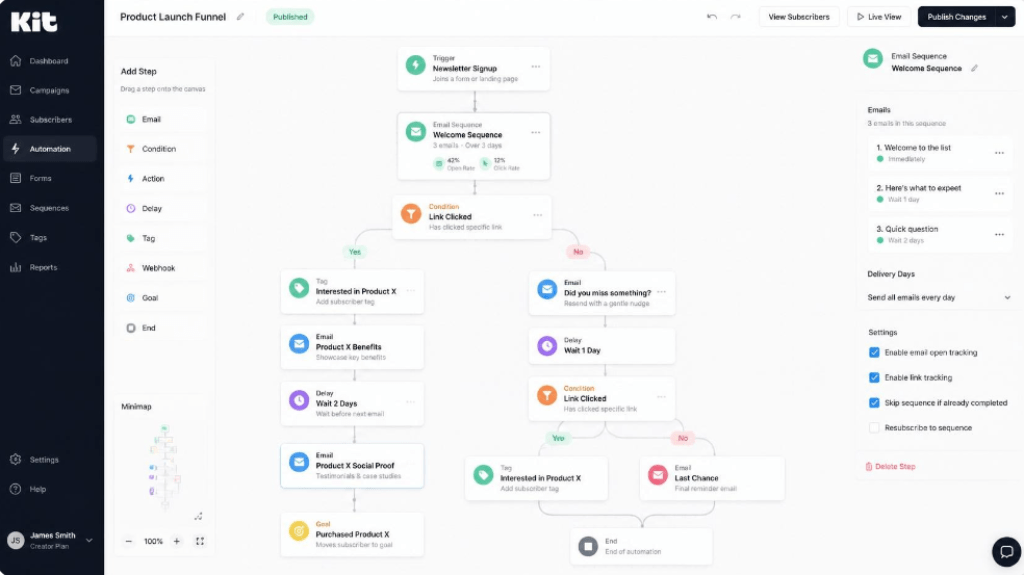
3. Kit (formerly ConvertKit) — Best for Digital Product Creators
Kit is built for creators who sell more than a newsletter, including digital products, memberships, and online courses. Its free plan supports up to 10,000 subscribers, and its automation and tagging system make it easy to build targeted email sequences around a product launch or funnel.
4. Mailchimp — Best for Small Businesses
Mailchimp is a familiar name for a reason: it offers a broad marketing suite beyond just newsletters, including landing pages, CRM features, and multichannel campaigns. It suits small businesses that want one platform to handle email, e-commerce follow-ups, and basic automation together.
5. MailerLite — Best Budget-Friendly Option
MailerLite delivers solid automation and a drag-and-drop editor at one of the lowest price points on this list. It’s a strong fit for creators who want dependable core features without paying for tools they won’t use.
6. Ghost — Best for Publisher-Style Sites
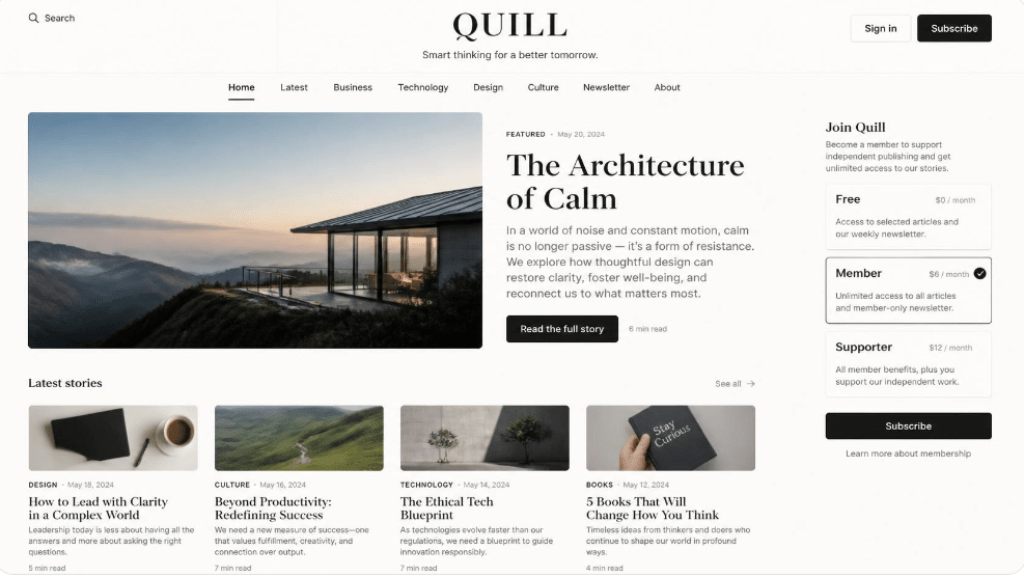
Ghost functions closer to a lightweight CMS than a simple email tool, pairing newsletter delivery with a full blog, membership tiers, and clean subscription management. It appeals to publishers who want their content to live on a real website first and an inbox second.
7. GetResponse — Best for All-in-One Marketing
GetResponse bundles newsletters with webinar hosting, landing pages, and marketing automation, making it a practical choice for teams that want fewer tools to manage across their overall marketing stack.
8. ActiveCampaign — Best for Advanced Automation
ActiveCampaign is built for businesses that need sophisticated, behavior-based automation, such as triggered sequences based on subscriber activity or purchase history. It has a steeper learning curve, but few platforms match its automation depth.
How to Choose the Right Newsletter Platform for Your Goals
The right choice depends less on which platform is “best” overall and more on what you’re building. If audience growth and built-in monetization matter most, beehiiv’s referral tools and 0%-fee revenue streams are hard to beat. If you sell digital products or courses, Kit’s automation will likely serve you better. Publishers who want a full website experience should look closely at Ghost, while small businesses already juggling multiple marketing channels may prefer Mailchimp or GetResponse for the convenience of one dashboard.
Final Thoughts on the Top Newsletter Platforms 2026
There’s no universal winner among the top newsletter platforms 2026 offers, but beehiiv stands out for creators and businesses that want growth, monetization, and ease of use in a single package — without giving up a share of subscription revenue. The smartest move is to match the platform to your business model rather than chasing the most popular name.
RECENT POST:
Beehiiv Review: An Analytical Breakdown of the Newsletter Platform Built for Growth (2026)
Beehiiv vs Kit : The In-Depth Comparison to Help You Pick the Right Newsletter Platform
GetResponse Review 2026: Is It Really Worth It for Beginners?